
Infotrol-MPC for continuous processes and HPCB for batch reactors — stabilizing operation and optimizing within process constraints.
Model Predictive Control
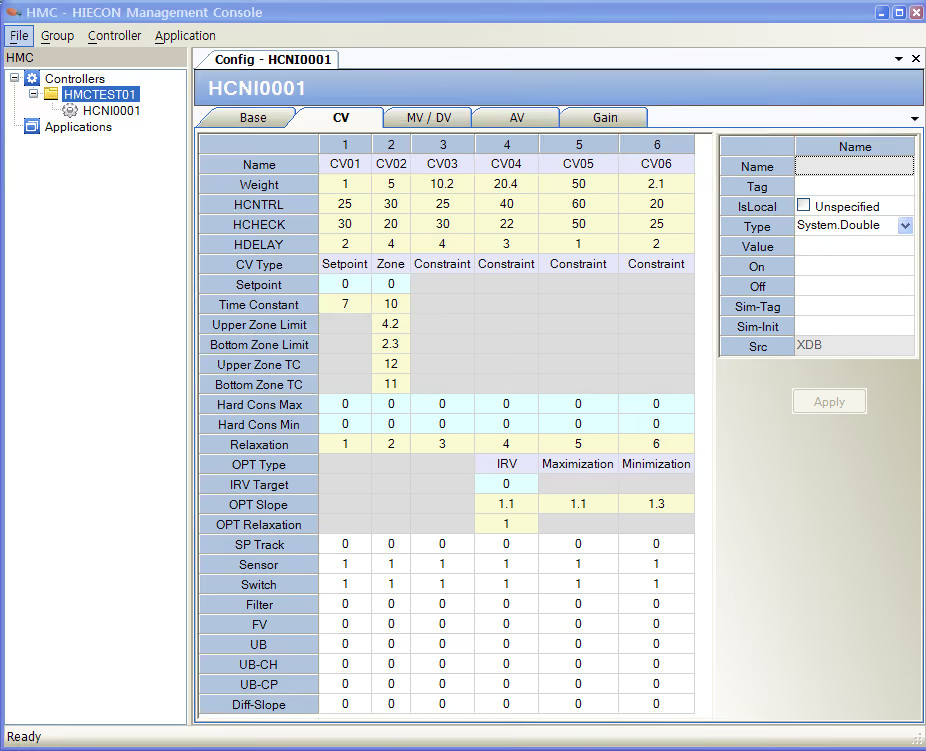
Infotrol-MPC, a Model Predictive Controller (MPC) from France Sherpa Engineering and INFOTROL Technology, is used in continuous processes. It integrates with INFOTROL's IPOES sequence automation program to handle all APC features, including On/Off operations, model management, and tuning parameters.
Control Capability
Four behaviours a predictive controller adds on top of the regulatory control already running in the plant.
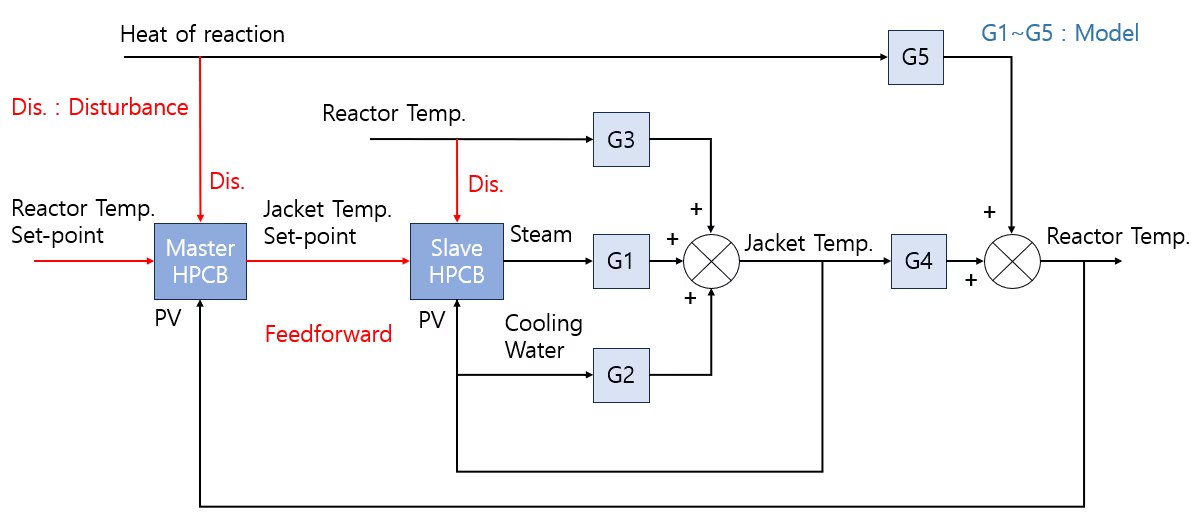
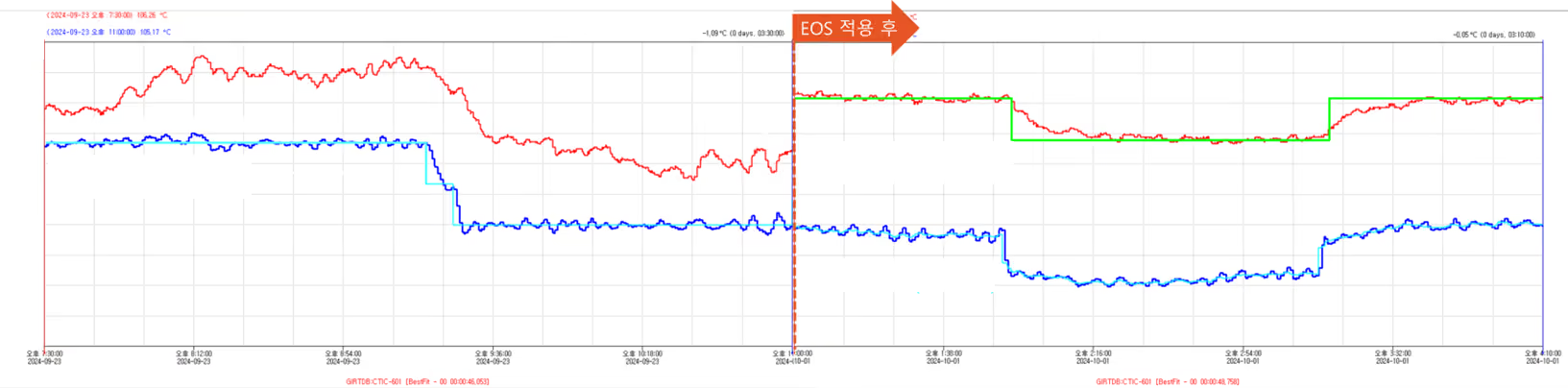
The control strategy is formulated based on a comprehensive model of the process dynamics, taking into account the impact of disturbances on the output. The control action is computed by leveraging the established correlation between the disturbance and the process output.
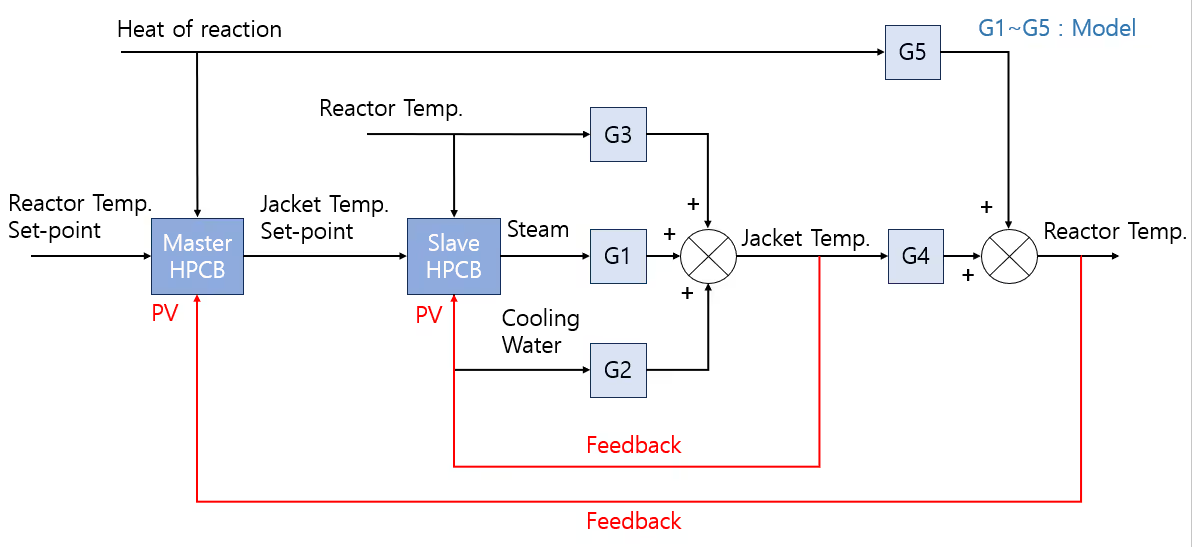
Feedback control systems are essential for ensuring stability and robustness, as well as adapting to dynamic operating conditions, disturbances, and uncertainties. By continuously monitoring system performance and implementing corrective measures, feedback control maintains optimal system functionality and achieves specified objectives.
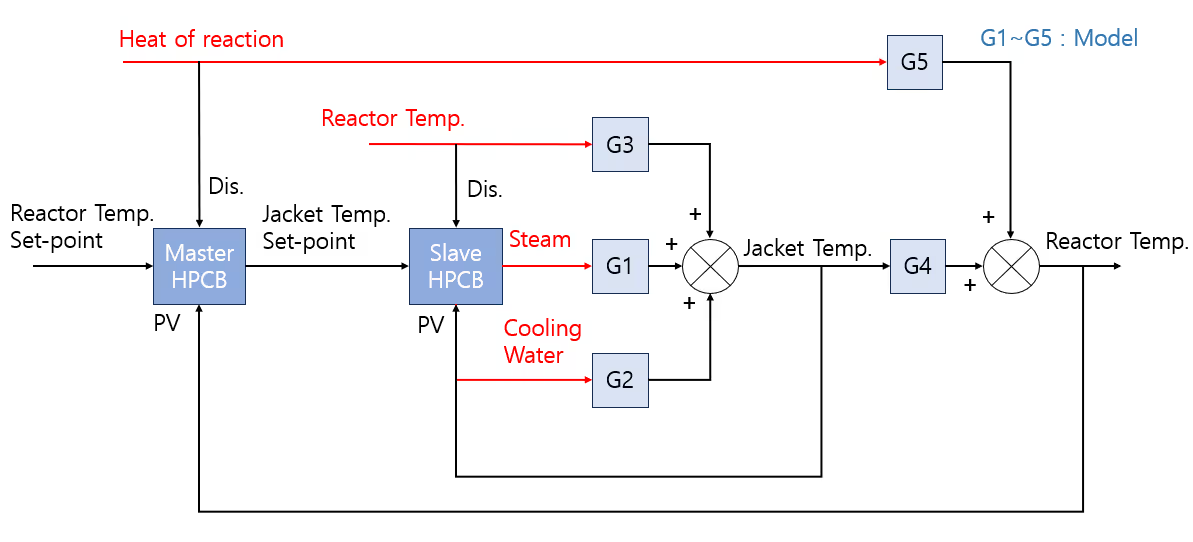
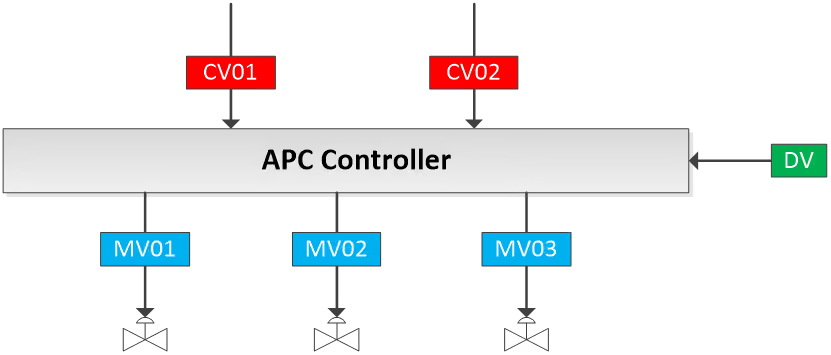
A single controller handles multiple manipulated and controlled variables at the same time, taking the interactions between them into account. Where single-loop control would need one controller per variable, one Infotrol-MPC controller can cover an entire unit and still respect disturbance variables.
Beyond holding a setpoint, the controller continuously searches for the most economical operating point within the declared limits. The process can therefore be run closer to its constraints, which is where reduced energy consumption and higher throughput come from.
Delivery Process
From the first data review to site acceptance, a typical Infotrol-MPC project moves through four stages.
Review historical operating data, interview the operating team, select the controlled, manipulated and disturbance variables, and design the control structure for the unit.

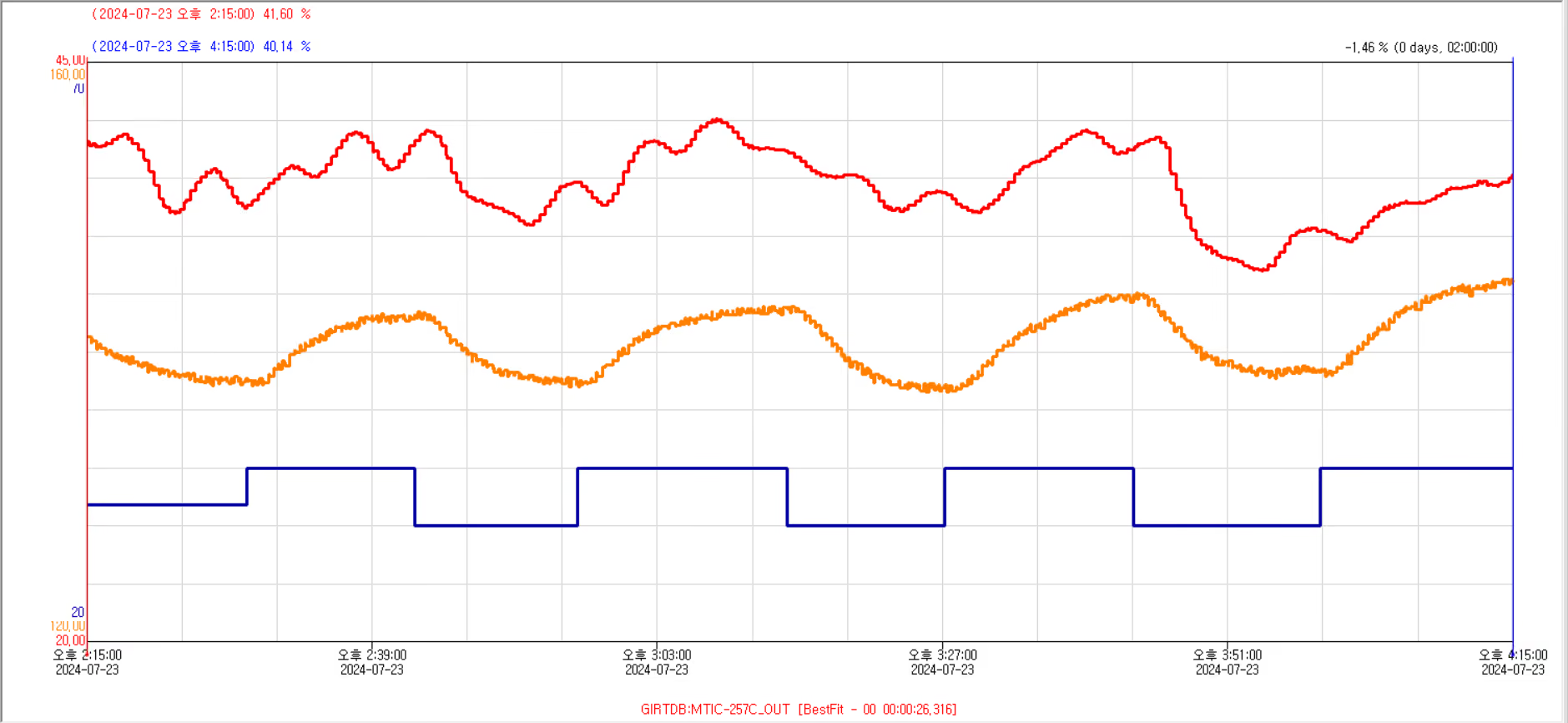
Adjust manipulated variables and observe process responses, or use historical data to derive a dynamic model by minimizing prediction error when plant testing isn't feasible.
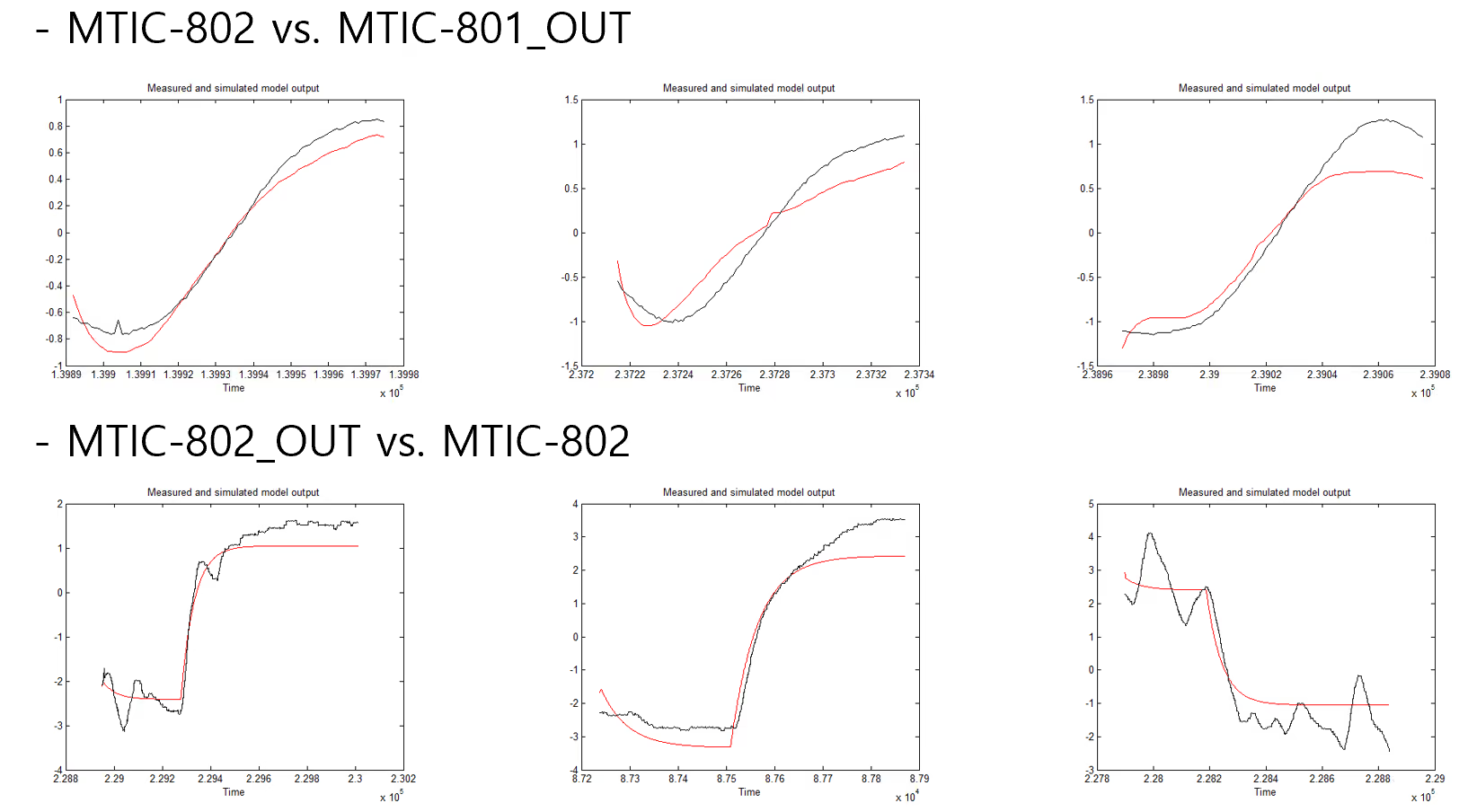
Calculate gain, time constant and dead time for each variable pair from the test data, then compare predictions against actual operation and refine until the fit holds.
Run the controller online and tune each control variable until the process is stable, push the operating point toward its constraints within the on-spec range, and verify the result in a site acceptance test.
Why Infotrol-MPC
Built on the HIECON predictive control engine from Sherpa Engineering (Adersa), transferred to Infotrol under a technology agreement. The controller and its interface are developed in-house, so functions can be adapted to each site.
Single-loop control quality depends on tuning. Infotrol-MPC depends on the accuracy of the process model, which is what lets it hold interacting variables and long dead times.
Limit values, smooth range and reference trajectory are declared per variable, so engineers decide how far and how fast each one is allowed to move. Hierarchical control applies the strategy in stages.
Model gain, dynamics and tuning parameters switch online as the operating mode changes, and a multi-level backup strategy keeps control in place if an instrument or device fails.
Runs inside IPOES operating sequences rather than as a separate island, and links to DCS logic, third-party logic and AI modules such as CNN and RNN.
Connects through OPC as well as PI, InfoPlus (CIM I/O) and PHD, with simultaneous access to several data sources. Control cycle is selectable down to three seconds.
Applications
Infotrol-MPC sits above the existing PLC or DCS rather than replacing it. The base layer keeps the process safe and stable, while the controller predicts where the process is heading and adjusts setpoints to hold the target.
Hierarchical Predictive Controller For Batch
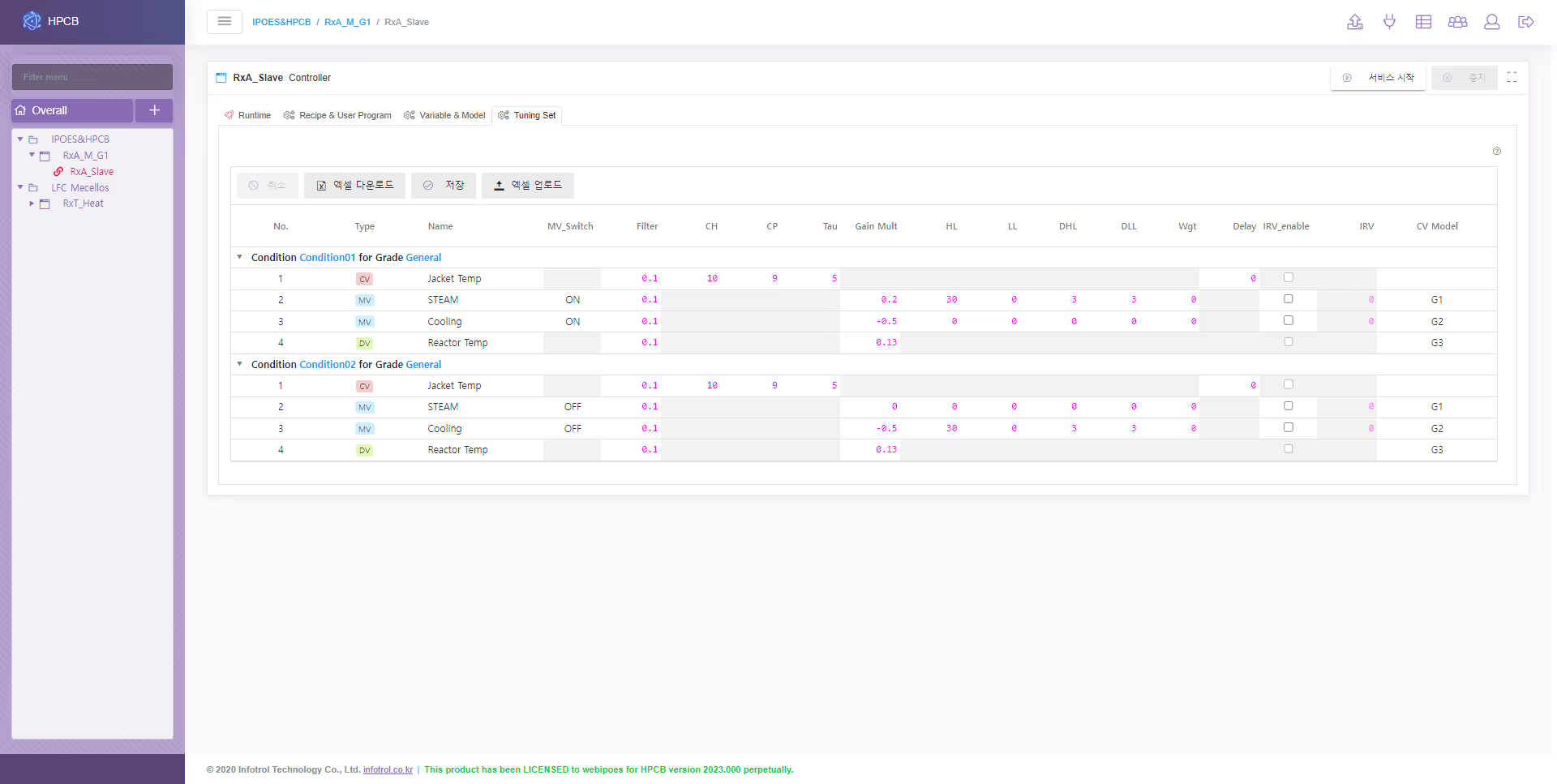
HPCB(Hierarchical Predictive Controller For Batch) is a INFOTROL's own Batch reactor APC(Advanced Process Control Solution) designed to handle Model Predictive Control Technology and Nonlinear heat-reaction. This solution, which can manage reaction recipe and control conditions for each grade, can be applied to full batch and semi-batch process.
Control Capability
What a predictive controller adds to a batch reactor beyond regulatory control.
This feature allows operators to plan and implement changes to the setpoints of process variables at specific times during a batch process. By scheduling these modifications, operators can ensure that the process adapts to varying conditions, optimizing performance and maintaining product quality throughout the batch cycle.
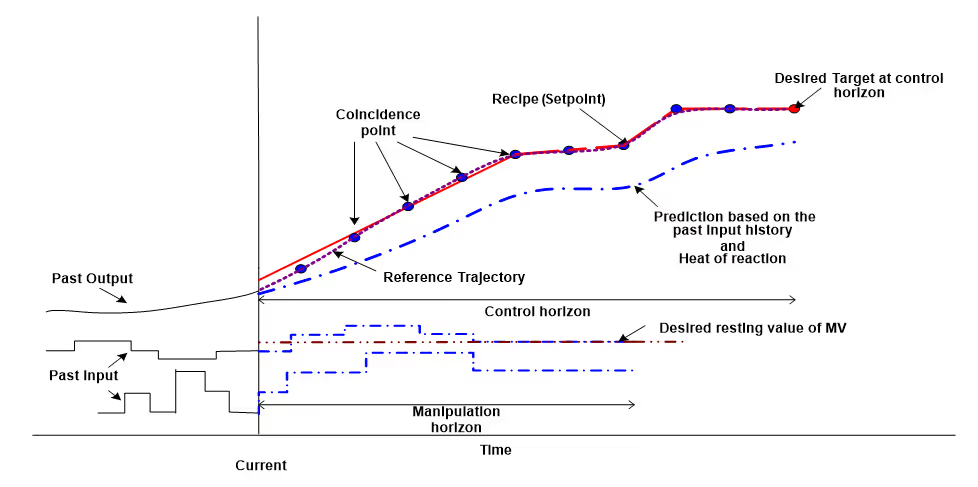
The control action is derived from a detailed understanding of process dynamics and the influence of disturbances on output. This action is calculated by utilizing the established relationship between disturbances and process outcomes.
Feedback control systems are crucial for maintaining stability and robustness while adapting to dynamic conditions, disturbances, and uncertainties. By continuously monitoring system performance and implementing corrective actions, feedback control ensures optimal functionality and achievement of specified objectives.
Multi-variable control involves the simultaneous management of multiple input variables to achieve a desired output. This approach enhances process efficiency by optimizing the interaction between variables, ensuring precise control and improved performance.
Batch process optimization involves the strategic enhancement of production efficiency and product quality. By employing advanced predictive algorithms, this feature ensures optimal resource utilization and minimizes waste, thereby achieving superior operational performance.
Why HPCB
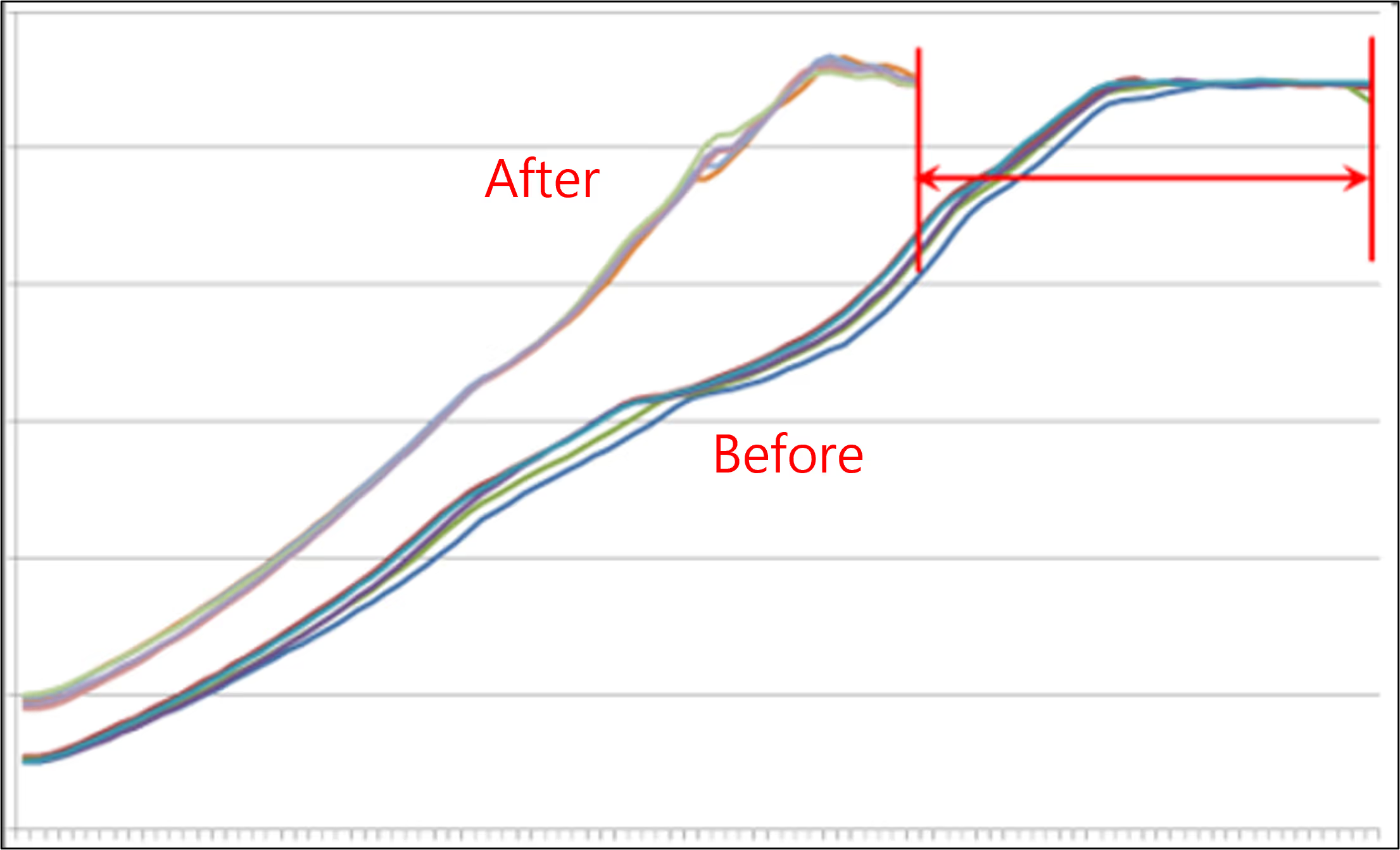
Control against a predetermined setpoint such as a reaction temperature recipe, acting before disturbances take effect by accounting for them in advance.
A dynamic model compensates the difference between predicted and actual values in real time, holding the batch closer to its intended trajectory.
Optimize the batch as it runs with economic benefit in mind, improving productivity and product quality within the declared limits.
Several input variables are considered and predicted at once, and the controller responds with the appropriate output for each situation.
Track the target temperature profile against a nonlinear heat of reaction, switching between heating and cooling inputs as the reaction demands.
Reaction recipes and control conditions are managed per grade, across both full-batch and semi-batch processes.
Delivery Process
From process analysis to operator training, a typical HPCB project moves through four stages.
Collect operating data and select the controlled, manipulated and disturbance variables, calculate the heat of reaction, and complete basic and detailed design from the data and operator interviews.
Validate the model and run an off-line test against a self-simulator, then demonstrate the developed programs to operators and engineers before anything touches the plant.
Run a display test on the DCS for HPCB, implement the system, and complete the interface test with the DCS.
Bring HPCB online with the operating team involved, incorporate their feedback through auditing and stabilization, and finish with operator training.
Talk to our team about SOP automation, advanced process control, and energy optimization for your plant.
Contact us →